★★★★★
Even after a short time working on Modules 1 & 2, found a marked improvement in surety of finger control. Combining Lars demonstrations and the PDF's are working well for me.
Edward Lopata
Pro Member

Classical piano, taught to you the way it was taught to me.
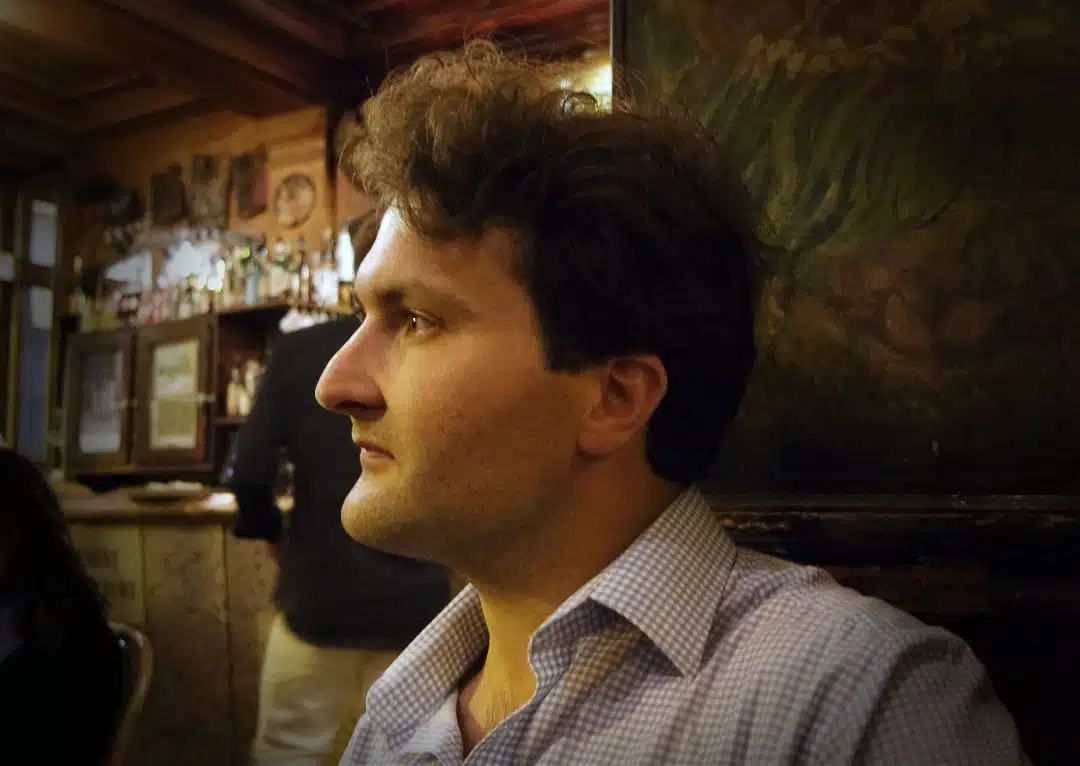
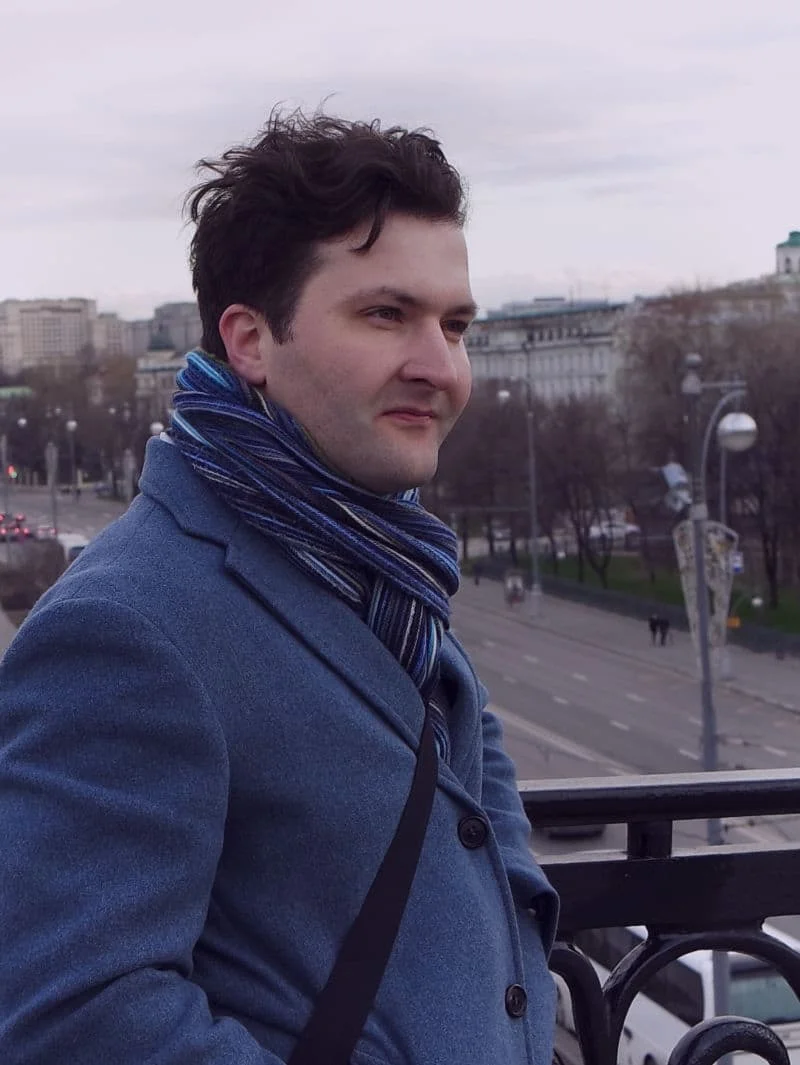
Seven years at conservatory in Maastricht. Over twenty-five years teaching across four countries. Piano Fantasy is where I pass on the art, openly, in one place.
Piano Fantasy teaches the bridge between what your hands can do and what the music actually asks of them. Technique taught in isolation produces fingers that run and music that doesn’t breathe. Music taught without technique produces feeling without the means to carry it.
The bridge is built on seven principles, taught in order and worked through every piece. Every piece of repertoire and every exercise I teach on Piano Fantasy is shaped by those seven.
The arm, hand, and finger are set in position before any key is played. The note is shaped before it sounds.
Technical work is never abstract. Every exercise answers a sound question — never a mechanical one.
Weight and gravity do the work. Force that comes from muscular contraction produces tension, not tone.
Speed is never trained directly. Correct coordination at a moderate tempo creates speed as a consequence.
Listening comes before repetition. Practice without an audible standard produces habit, not skill.
Principles are applied through musical understanding, not applied mechanically. The piece shapes how the technique is taught.
Individual finger exercises serve the whole hand. Isolated finger training disconnected from the arm creates the problems it is supposed to solve.
Most pianists who feel stuck after years of practice have not been failed by their talent. They have been failed by a tradition that teaches the note and stays silent about everything that comes before it — the preparation of the arm, the coordination between hand and weight, the movement that places a finger on a key before the key is played.
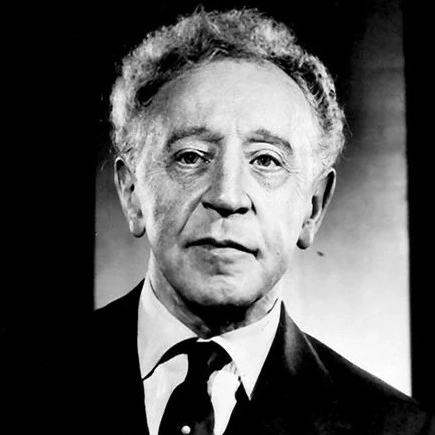
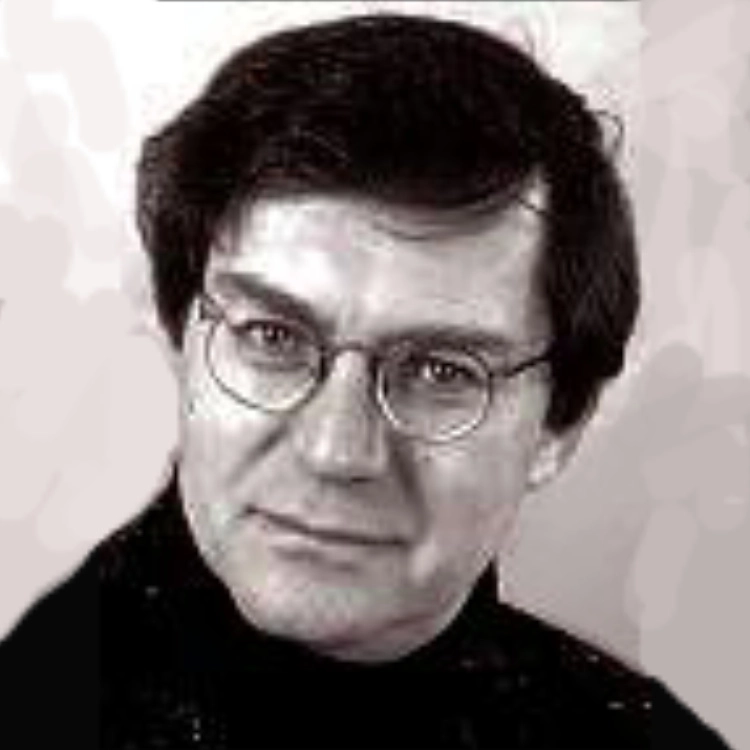
These are not secret ideas. They are the quiet art that separates a pianist who struggles to get faster from one who plays with ease at any speed. I teach them openly because they were taught to me openly, by Avi Schönfeld, who learned them directly from Arthur Rubinstein. The art is not mysterious. It has simply been kept too quiet for too long.
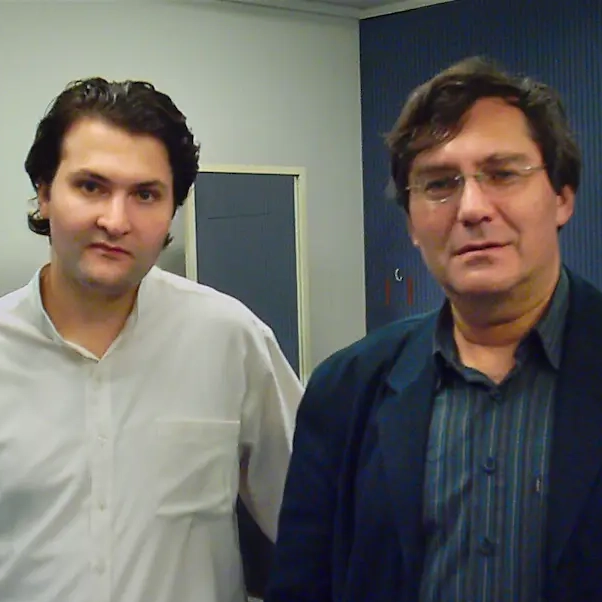
Lars met Avi Schönfeld
Lustering in star silver,
There she moves
In the shadows of the moon.
— from Sepulchral Dream (Nocturne), dedicated to Beixi Wang
I started piano at fifteen — later than most who end up doing this seriously. Four years later I passed the entrance exam at the conservatory in Maastricht and studied with Avi Schönfeld. During those years I also followed masterclasses with Dominique Merlet, Eugène Moguilevsky, and Jean-Marie Cottet — in the Russian and French traditions. Schönfeld was a direct student of Arthur Rubinstein, and what he taught was not a style. It was a craft.
After conservatory I lived and taught in China. I spent a lot of time in Japan, visiting between 2010 and 2015 — including the year I received the special jury prize at the Yokohama Piano Competition. Later I traveled to Alexander Scriabin's home in Moscow to study the tradition at its source. I came back and built Piano Fantasy to teach the method I had assembled across four countries — openly, in one place, without the gatekeeping that kept it quiet.
Some have been at it for decades. Some are returning after years away. Some studied formally with a teacher; some taught themselves to a high level.
The path that brought you here matters less than the direction you are heading.
What my students share is the same thing — they want the art, taught properly, by someone who treats their seriousness with the same seriousness.
Even after a short time working on Modules 1 & 2, found a marked improvement in surety of finger control. Combining Lars demonstrations and the PDF's are working well for me.
Edward Lopata
Pro Member
I really like your style. As an introvert I find most of online tutors way too hyperactive, too smiley, too noisy and so on.
Michael
Pro Member
Good to meet you virtually today. You seem to be a rare combination of an artist and a pedagogue.
Douglas McCarthy
Pro Member
Hundreds of lessons, demonstrations, and Piano Fantasy Minute emails on YouTube, the blog, and the newsletter — all open, all free. Start wherever the question you have today takes you.
Piano Technique in Your Inbox. Two short emails a week, one topic each, written by a working pianist and teacher. The simplest way to see how I teach.
The full school. The full Super Fingers system, the Piano Fantasy technical library, monthly live lessons, the student community, and every new course as it is released. Built for pianists who want the art taught properly, in order, with a teacher who answers.
Join Pro Membership and get the full Piano Fantasy school — courses, monthly live lessons, community, and every new course as it is released.
30-day guarantee on Annual, 15 days on Monthly. Cancel anytime.