How to Polish a Piano Piece
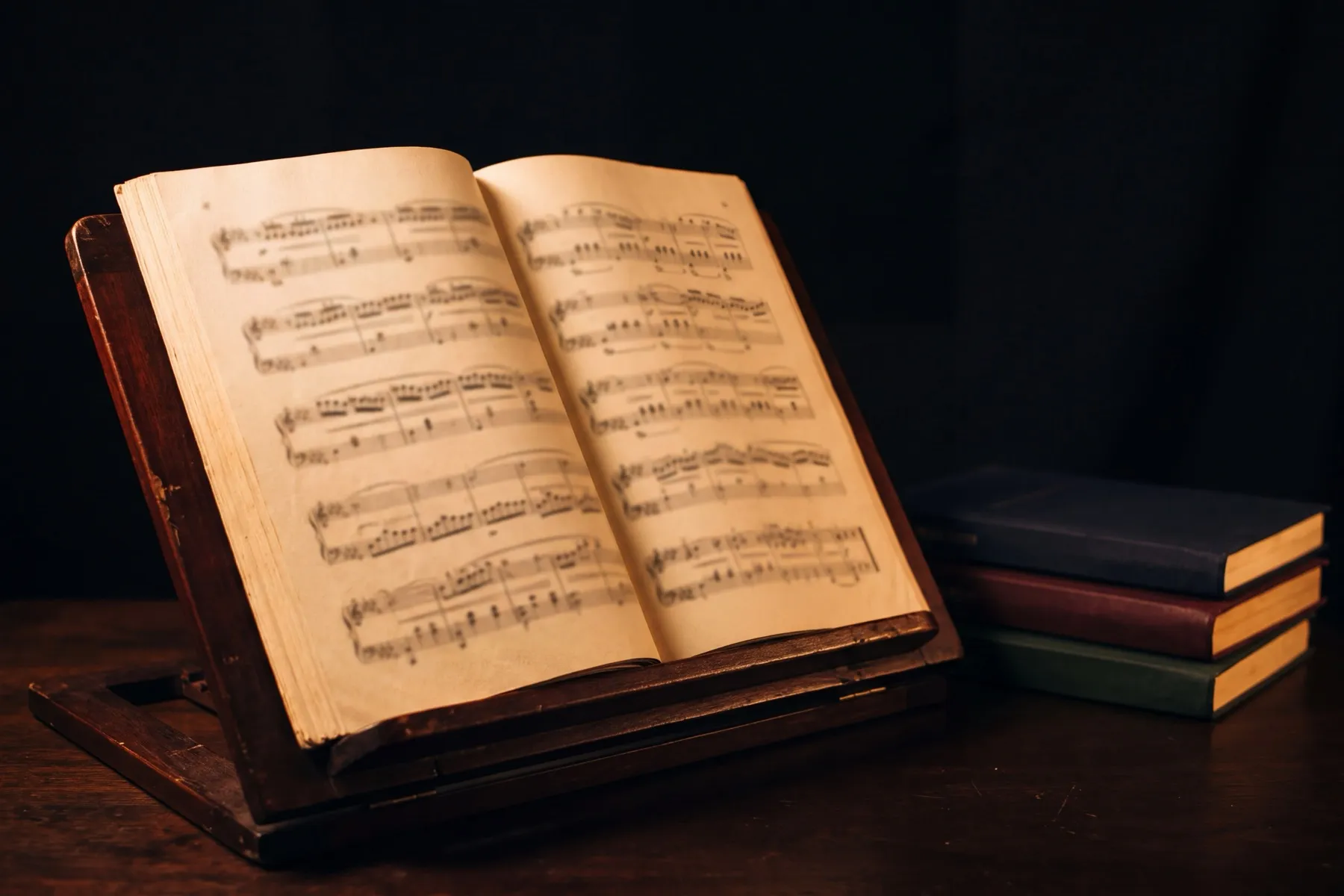
A piece you play well can still have one passage that doesn't sound as good as you wish. Sometimes it is only a part of the passage. Then I take that passage out of the piece and first go back to the first phase, with lifted fingers.
In a live training with my students in September 2025, a student played a piece that was already practised. There was even a video of it, but it wasn't perfect yet. Part of my advice was about the practice: "Practice like with the finger, really to program the fingers. Very slow and very much legato, very connecting all the notes and lifting the fingers."
Later in that training I talked about my own pieces. They need the first phase too: "Even when I am learning some new pieces, or a piece that a passage doesn't sound as good as I wish, I always make first preparatory first phase exercises with lifting the fingers. And then it starts to feel better, and then I start to add the arm movements, and then it usually goes very good."
The First Phase in a Piece You Know
The first phase is not only for new pieces. In the third lesson of Super Fingers I say:
"…to train your fingers, to get passages in your fingers, and to prepare each difficulty to be ready for it. So this we do in the first phase, and always go back to that first phase, even if you know pieces very well, but you want to polish some, some passage, do it in the first phase. You get more control, more articulation."
The word "polish" is from that lesson, and it is about some passage in a piece you know very well. That is the passage you take out.
If you don't know the first phase yet: in Super Fingers it is finger technique at a slow tempo, very legato, with lifted fingers. That lesson starts from the umbrella technique, which I explained in the lesson before. The hand opens, and you "prepare your fingers like you're striking a ball". Then comes the "lightning fast strike of the key".
Sometimes the trouble is only at tempo: a passage holds slowly, and not at tempo. There I look at the preparation first, mostly the hand position, or fingers still searching while they play, in my post on why a passage works at a slow tempo but not a fast tempo.
The Passage With Lifted Fingers
In the fifth lesson of Module 1 I say how much: "Really lift, exaggerate, exaggerate. Lifting the fingers. Also the thumb, good lifting the thumb."
The fingers need what I call concentration. In that live training I said: "Doesn't cost me effort. No tension in my hands, but concentration. Yes, because with spaghetti fingers you cannot play, and no one can play with spaghetti fingers. It's like holding the pencil. When you're holding the pencil, you don't have weak fingers. You have some tension in the hands, which I call concentration. But it's very natural. It doesn't make you tire, unless you're squeezing it for a long time."
"You have to try to make that your own," I added, and "in the beginning you have to pay a lot of attention to that, really. But it will become your second nature eventually."
In the third lesson of Super Fingers I also say:
- "between each note I try to feel a little relaxation in the muscles in the forearm"
- "the wrist should be always free"
- "to play passages without too many mistakes you have to also very good feel the distance between each note in that passage"
In my post on superfast fingers, for a passage you want more brilliant and with greater clarity, my advice is to exercise the passagework in the first phase, regularly.
Adding the Arm Movements
When the passage starts to feel better with lifted fingers, I start to add the arm movements. That is also the order of the course. In Super Fingers, Module 1 is about lifting the fingers, and Module 2 about the arm movements.
When a student told me their hands are stiff, I said: "Yeah, and that's the first phase. Very good for to make a more supple hand, and fast fingers, but also more supple fingers." A little later: "So the first two modules are really the very essential. They're very important, not skip them."
How the arm moves is taught in Module 2, and I don't go into it here.
More Control, More Articulation
About my own playing I said in that training: "And when I play in the second phase, I don't lift as much anymore the fingers. Then the lifting of the fingers, raising the fingers, what I did in the first phase, will result into better articulation."
So when you add the arm movements and the fingers lift less, the lifting you did in the first phase results in better articulation.
While you work on the passage, keep feeling what happens. In the third lesson of Super Fingers: "You should always experiment in every phase of practicing, and certainly in the first phase, and feel, always feel, experiment, feel… and feedback in your muscles, and react on that, so that you learn to learn in the most effective way."
Try this
Choose a piece you already play well.
- Find the passage, or the part of it, that doesn't sound good yet.
- Take it out of the piece, and work it with lifted fingers.
- Then add the arm movements again.
- Put it back in the piece, and listen: is every note clear?
In short
Next time a passage in a piece you know doesn't sound as good as you wish, take it out of the piece before you play it through again. Give it first phase exercises with lifted fingers, and only then add the arm movements. Then put it back in the piece.
Where It Shows Up
Played through as it is, the passage tends to keep sounding the way it did. Taken back to the first phase, it returns to the piece prepared.
Take one passage back there, and play it for me in live coaching.