Why a slow tempo is not the same as slow fingers
Slow practice has a reputation as the careful option — the safe, low-risk way to get through a passage without mistakes. That reputation is the reason so much slow practice does nothing.
Slow practice is not safe practice. It is where you teach your fingers to move quickly. The two things people collapse into one — "slow" and "slow fingers" — are not the same thing at all, and the entire mechanism lives in keeping them apart.
Here is the distinction. When you practise slowly with lazy fingers — fingers that ooze down into the keys because there is plenty of time — you are training sluggish reflexes in slow motion. You will get very good at being slow.
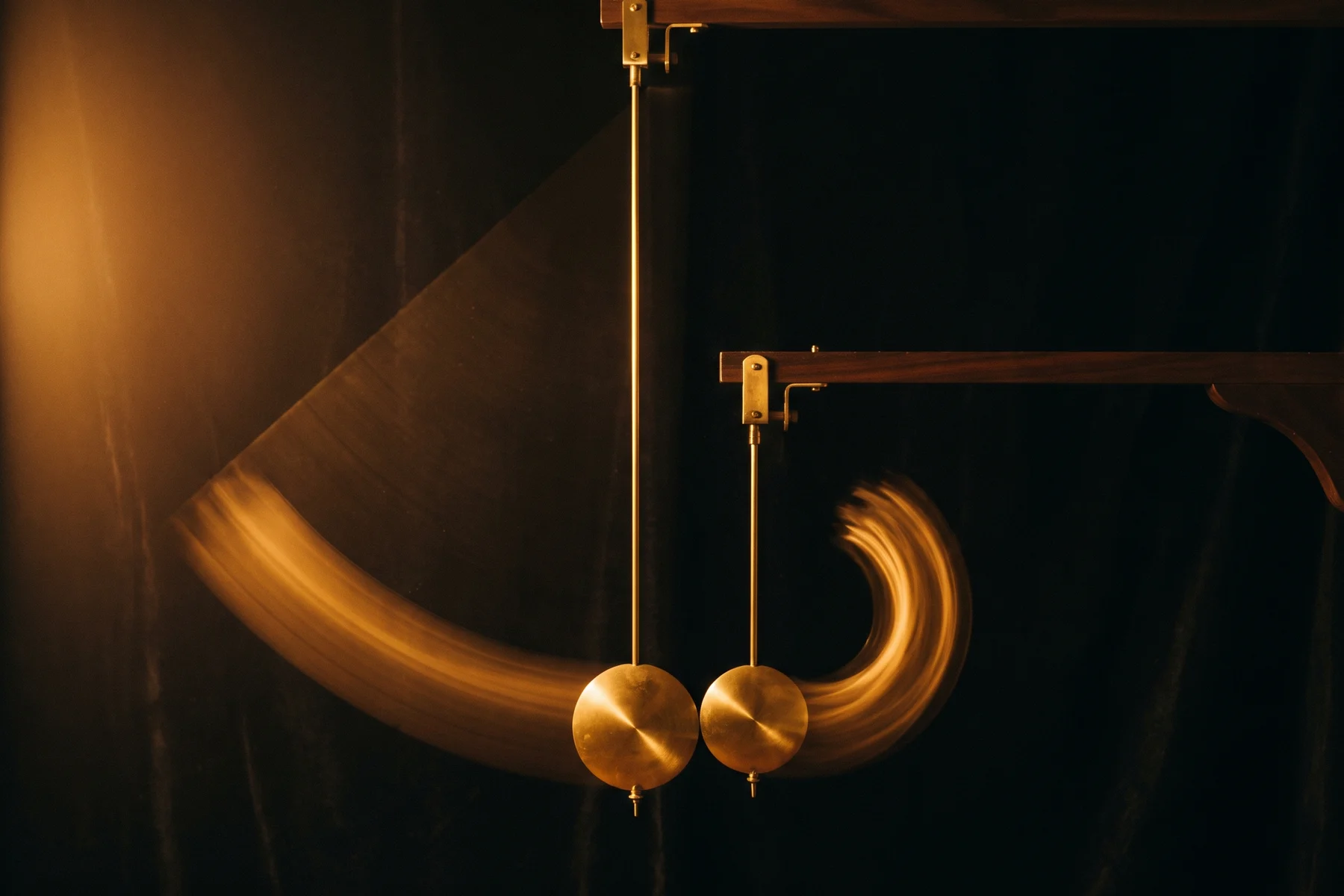
When you practise slowly with fast finger movement — the tempo unhurried, but each individual finger striking with a quick, clean, decisive motion — you are building the exact reflex that speed is later made of. The tempo is slow. The finger motion is fast. That sentence is the whole article; everything else is why it is true.
What the fingers are actually doing in good slow practice
It is worth being concrete, because "fast fingers, slow tempo" sounds like a contradiction until you feel it.
Take a passage you eventually want fast. Play it extremely slowly — but each finger lifts and strikes with a quick, crisp movement, then the hand returns to calm before the next note. The strike is fast. The spacing between strikes is slow. Between each strike there is a very short release in the forearm so the hand does not hold tension from one note into the next.
The fingers stay concentrated through all of this — curved and structurally engaged, not collapsing under the slowness. This is the part the careful, "safe" version gets wrong: given lots of time, fingers tend to go soft and shapeless, and a soft finger in slow practice is rehearsing exactly the collapse you do not want at speed. Slow tempo is not permission to relax the fingers. It is time to make each fast strike clean.
Done this way, slow practice is not a watered-down version of the real thing. It is the real thing, with the clock turned down so the movement can be made correctly before it is made quickly.
Slow tempo, alert mind
There is a second half to this, and it is the reason a lot of slow practice still fails even when the fingers are moving correctly.
Slow is not the same as sleepy. You can do everything right with the fingers and still get nothing from the hour if the attention has gone quiet — playing the passage slowly while the mind drifts somewhere else. Unfocused slow repetition does not build the speed pattern. It just uses up time gently.
The slowness only pays off if it buys you something, and what it buys is attention. At a slow tempo there is finally enough room to hear each note land and to feel whether the movement was clean — which is the entire reason the tempo was lowered in the first place. Slow practice and listening are the same move: you slow down so there is time to actually notice, then you use the time. Slow tempo with a sharp mind builds speed. Slow tempo with a drifting mind builds nothing but patience.
Try it: fast fingers inside a slow tempo
Take a short passage you want to play quickly one day.
- Play it extremely slowly — far slower than feels necessary.
- On every note, the finger lifts clearly and strikes with a quick, clean movement.
- The hand stays calm; the fingers do the crisp work, not the arm forcing it.
- Feel a very short release in the forearm between each strike — no held tension carried forward.
- Keep the attention on each landing. If the mind drifts, the repetition is wasted; stop and restart with focus rather than continue absently.
If the fingers start collapsing or losing their shape, the problem is not the tempo — it is that the mind has sped up past what it is actually tracking. Quiet the thinking, keep the finger movement crisp.
Why this is the efficient route, not the slow one
This feels like the long way around, which is why players abandon it for fast, hopeful repetition. But fast hopeful repetition trains whatever you actually did, including the flaws — so it is the slow route in disguise. Disciplined slow practice is faster overall because it builds the correct pattern the first time instead of grooving an approximate one you will later have to undo.
This is the same logic behind only repeating a passage once it is actually right rather than before, and behind the way slow tempo is how you groove the whole coordinated system of arm, wrist, and fingers — the coordination needs time to become reliable before speed is layered on.
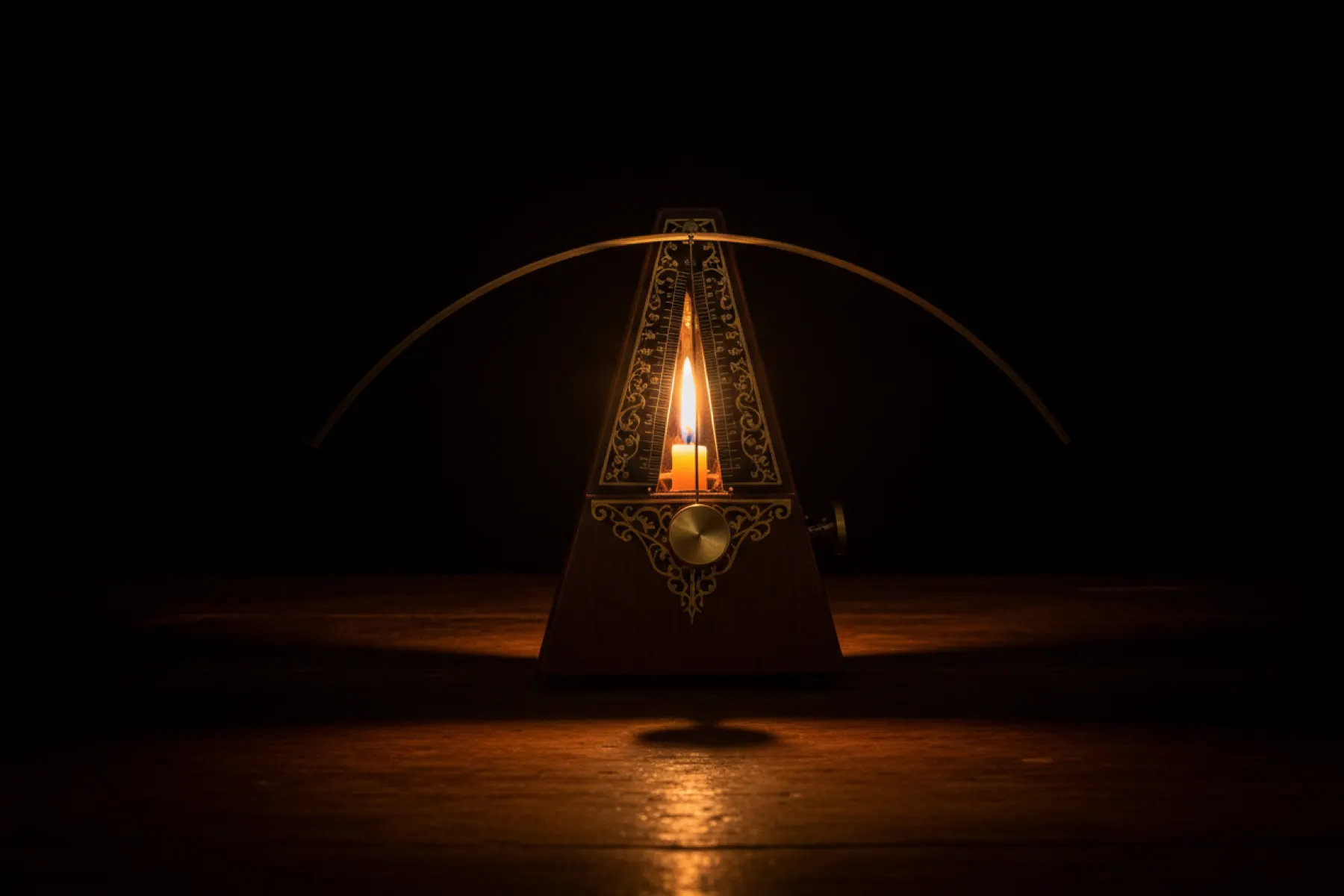
The metronome belongs here too, but as a diagnostic that shows you where the pattern is not yet built — not as a speed enforcer that pushes you past it. And in the larger frame of learning a piece efficiently, this is why the slow route is the fast one. The speed that this slow work earns is built deliberately, via the Stack Method for building speed in layers — each controlled tempo a secure floor for the next.
In short
Train fast fingers inside slow tempos, with the mind alert — that is how speed actually grows.
Slow tempo with lazy fingers builds slowness. Slow tempo with a drifting mind builds nothing. Slow tempo with quick, clean finger movement and sharp attention builds the exact pattern speed is later made of. This is the foundation of Phase 1 in Super Fingers.
Where this is built step by step
Phase 1 of Super Fingers is built entirely on this — fast, clean finger movement inside a deliberately slow tempo, with the attention trained as carefully as the fingers. Inside the Piano Fantasy Academy it is developed gradually, from simple exercises to real music, so the speed grows out of the pattern instead of being chased directly.
You can keep refining this on your own, or follow a clear path that builds the speed mechanism, step by step.