Horowitz's Journey to Mastery
The Piano Technique of Horowitz in His Very Young Years
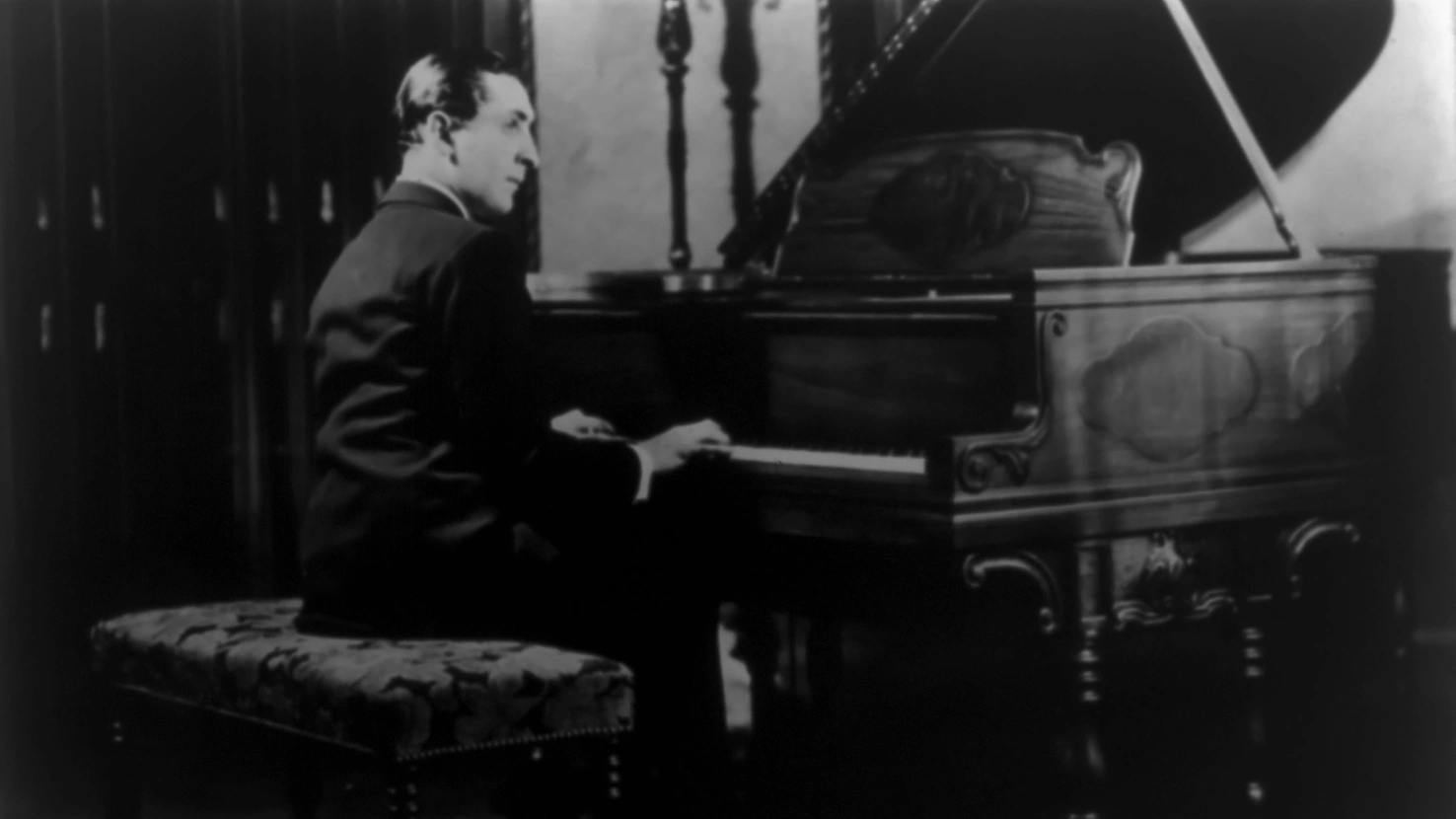
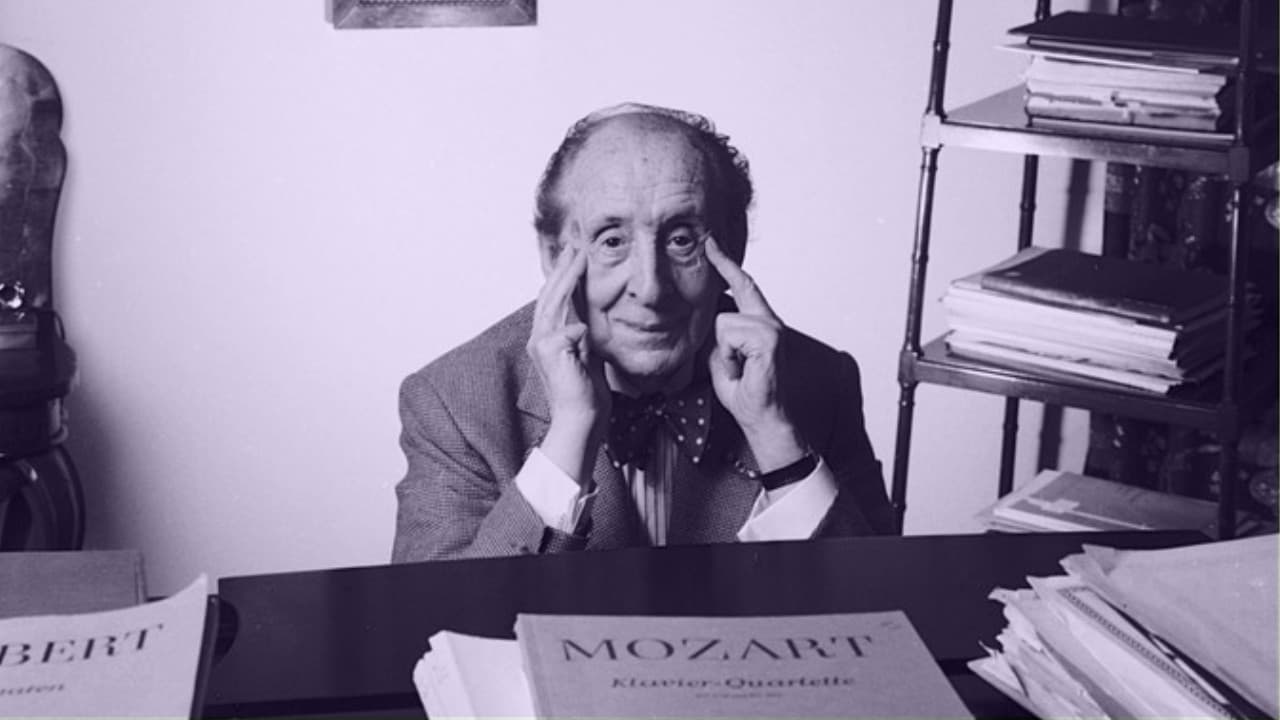
Vladimir Horowitz was born in 1903 in Kyiv (now Ukraine — read my article about Ukrainian Piano Composers) and received his early piano education from his mother Sophie, before continuing at the Kyiv Conservatory. His mother was a student of Vladimir Puchalsky, a Theodor Leschetizky. His teachers played a foundational role in shaping the piano technique of Horowitz.
One of Vladimir's cousins, Natasha (Bodick) Saitzoff, remembered him "sitting at the piano with his feet barely touching the pedals, explaining to us as he played: 'Now you see, the sun is shining and the birds are singing and everything is fine?' At this moment his playing was soft and tender. Then he would become very agitated and scream: 'Boom, boom, boom, boom!! Now a storm, and it is terrible!!' and he would bring his fist down on the keys."
By the time Volodya was nine years old, his inquisitive nature had led him to the family's tall, mahogany music cabinet, where he rummaged through a tantalizing assortment of sheet music. Skipping over works of Chopin and Liszt, whose notation looked impossibly complicated, he eventually settled on two composers, his "two loves" as he later put it: Edvard Grieg and Peter Tchaikovsky.
By 1912, Volodya was tackling difficult piano reductions of operas, even attempting Wagner's Der Ring des Nibelungen, humming his favorite melodies without looking at the music. The boy's memory was not photographic but was facile enough to astound his sister Sophie and father Simeon when, for instance, he played, by heart, a passage from Rimsky-Korsakov's Scheherazade that he had heard only once.
It was not long before the Gorovitzes (only later Horowitz) decided that their precocious son was ready for formal conservatory training. So it was that, in September 1912, they paid a 125-ruble tuition fee and enrolled Volodya at the Kyiv Conservatory.
Lessons with Vladimir Puchalsky
After a brief period studying under Professor Marian Dombrovski, Sophie's old teacher heard he had been bypassed, and he went into a rage: "You were my pupil!" Puchalsky screamed, "and here you have a talented son, and you dare enroll him in another professor's class!'' Embarrassed, Sophie begged his forgiveness and reluctantly re-registered her son in Puchalsky's class.
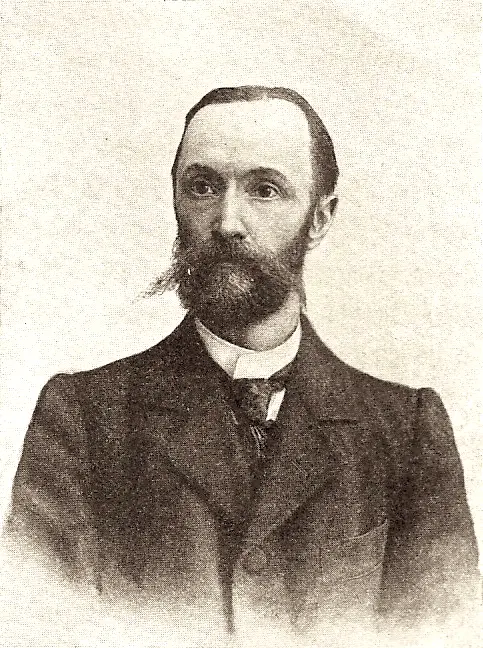
Lessons with Puchalsky started. Tuesday was "technique day," when each student received individual lessons while their classmates observed. Sessions with Puchalsky were a nightmare for Volodya, who later recalled, "That old man's screaming never stopped. His teaching ability did not match his virtuosity, and he could not instill a love of the instrument in me."
Each week, the students would enter the classroom with a sense of dread, armed with carefully prepared scales, arpeggios, and the despised exercises of Czerny and Clementi. The regimen was grueling, and even the piano technique of Horowitz, who often flawlessly executed his exercises, faced relentless criticism. Puchalsky would critique every minor imperfection, often reducing students to tears with his sharp words.
The constant pressure made lessons nerve-wracking, and Volodya, who was already introverted, began to retreat further into himself. "He was a strange fellow—quite shy," remembered one classmate. The relentless nature of these sessions drained Volodya's enthusiasm, and the rigid expectations only added to his discomfort.
Perhaps this nerve-wracking nature that kept haunting Horowitz during his entire career found here its origin.
Puchalsky placed a significant emphasis on Romantic repertoire—composers like Beethoven, Schumann, Chopin, Liszt, and prominent Russian composers. He insisted on relentless technical drills for developing the piano technique of Horowitz, believing that mastery of technique was the foundation of expressive playing. He also paid special attention to the sound quality Horowitz could extract from the piano.
Pianists with thick, fleshy fingers, such as Anton Rubinstein, tended to create a velvety, rich tone, while those with long, slender fingers, like Liszt, produced a more metallic, lyrical sound. Volodya fell into the latter category, and Puchalsky worked extensively with him to develop a beautiful, singing tone—a hallmark of the traditional Russian piano school.
Sergei Tarnowsky – Another Leschetizky Influence on the Piano Technique of Horowitz
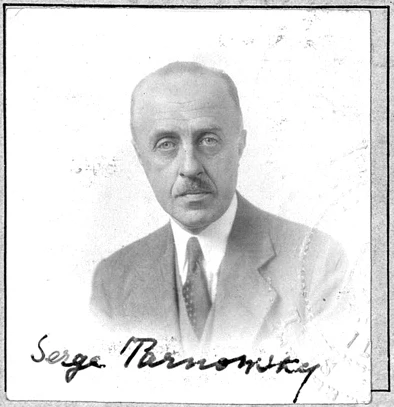
In September 1915, Volodya switched teachers to Sergei Tarnowsky, a new faculty member who had graduated with distinction from the St. Petersburg Conservatory. Tarnowsky had studied under Anna Essipova, a renowned pianist and the second wife of the famous pedagogue Leschetizky. This association with Essipova meant that Tarnowsky brought with him a profound connection to the Leschetizky method, which emphasized expressive playing and technical finesse.
Unlike Puchalsky, Tarnowsky aimed to foster a deeper emotional connection with the music. He became a major influence on Volodya's development, guiding him from the age of twelve to sixteen—crucial years for any pianist. Tarnowsky emphasized the importance of sensitivity to variations in color, dynamics, and pedaling, which would later become hallmarks of Horowitz's playing style.
Tarnowsky also emphasized using the music to solve technical problems, rather than relying solely on exercises. Chopin etudes to grow the piano technique of Horowitz were a particular focus of Tarnowsky's, and while Volodya was able to master the Revolutionary and Black Key etudes, he struggled with the Winter Wind and Aeolian Harp etudes, which required a lightness of touch that had yet to fully develop.
Despite his struggles, Tarnowsky pushed Volodya to expand his dynamic range and improve his expressive capabilities. The teacher's focus on emotional depth and technical finesse forced Volodya to grow as a musician, even if the journey was not always easy.
Felix Blumenfeld – More Freedom!
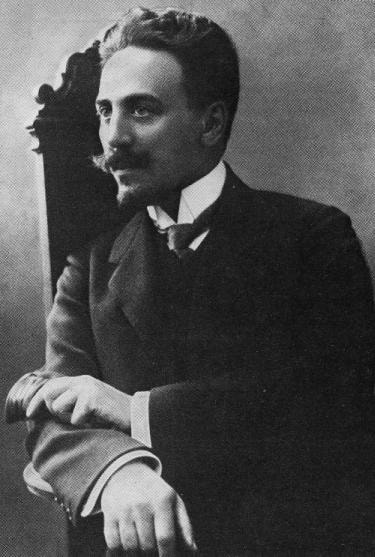
By the fall of 1919, after five years under Tarnowsky's tutelage, Volodya began to feel increasingly resentful of the constraints placed on his playing. He yearned for more freedom, and when the opportunity arose to study with Felix Blumenfeld, he eagerly accepted. Blumenfeld was a composer, conductor, and pianist whose playing was described as possessing a unique blend of brilliance and lyricism—qualities that appealed to Volodya's own evolving musical sensibilities.
Felix Blumenfeld, who was Horowitz's last teacher, was also highly influential in shaping his pianistic style. Blumenfeld had studied with Anton Rubinstein, whose influence was passed down to Horowitz. Anton Rubinstein was a key figure in the Russian school of piano playing, and his principles significantly impacted Blumenfeld's approach, which in turn shaped the piano technique of Horowitz.
Blumenfeld introduced Horowitz to the flat-finger technique, which involved practising with a "sort of portamento that made my fingers like steel." This later became a hallmark for the piano technique of Horowitz. Blumenfeld focused more on creative expression rather than strict technical drills, encouraging Horowitz to develop his own interpretive voice and to explore the emotional depths of the music he played.
Blumenfeld also encouraged Horowitz to explore the entire ball of the finger when playing, rather than just the tip, especially when navigating between black and white keys. This technique helped Horowitz achieve a richer sound and allowed for more nuanced control over dynamics, which became a defining characteristic of his playing style.
Blumenfeld was not a traditional teacher. He occasionally demonstrated passages himself, despite having a crippled hand, and his unique flat-fingered technique had a lasting impact on Volodya. Blumenfeld encouraged experimentation, and Volodya began to develop a semi-staccato finger technique that produced a crisp, clear sound—perfect for the demanding repertoire he was beginning to tackle.
This technique involved striking each key with an almost scratching motion and then snapping back the finger toward the palm, which required considerable strength, especially during rapid passages. Horowitz found that this approach allowed for extraordinary brilliance and articulation in his playing, ensuring that every note was distinct, even in the most challenging pieces.
During his last two years at the conservatory, Horowitz's lessons with Blumenfeld were supplemented by frequent informal coaching sessions at the Gorovitz home. These evenings were often attended by several notable figures, including Professors Puchalsky, Tarnowsky, and Blumenfeld, as well as Heinrich Neuhaus, who would later become one of the most celebrated piano teachers of the twentieth century.
Neuhaus, an articulate and witty teacher known for his extravagant bow ties, was someone Volodya took an instant liking to. Neuhaus's approach was more relaxed and philosophical, and his insights resonated with Volodya, helping him shape his musical identity. Horowitz later insisted that, next to Blumenfeld, Neuhaus was the most important influence on his development as a musician.
Characteristics of the Piano Technique of Horowitz
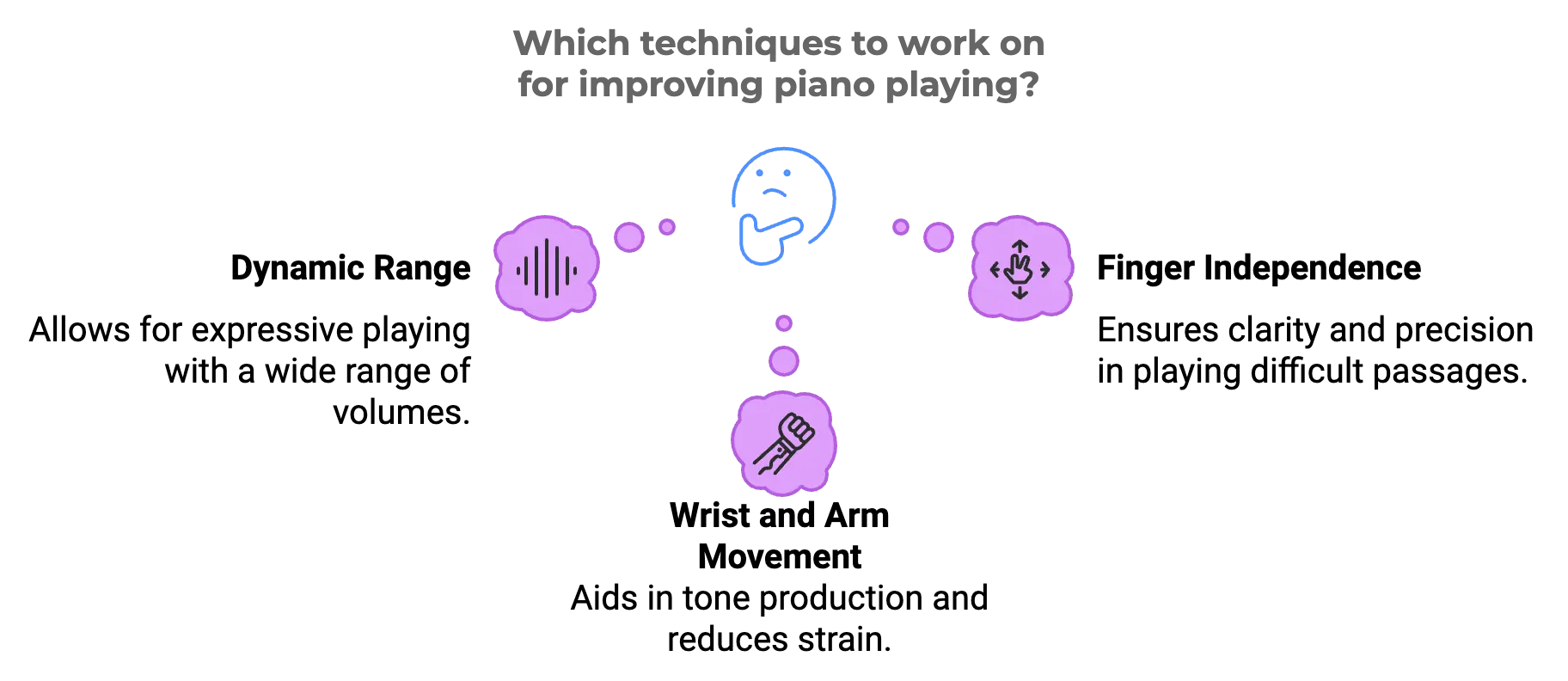
The piano technique of Horowitz was marked by his unique approach to hand positioning, use of finger strength, and his mastery of dynamic contrasts. He was particularly focused on:
A Piano Technique of Horowitz that Mesmerises Everyone Still Today
Horowitz's Dynamic Range
Horowitz was known for his ability to produce an extraordinary range of dynamics, which became a hallmark of his playing style. His control over the piano allowed him to shift effortlessly from the softest pianissimo to thunderous fortissimos.
Finger Independence of Horowitz
His finger independence and strength were legendary. This allowed him to bring out every detail of the music with exceptional clarity. Harold C. Schonberg noted that Horowitz instructed his students to practise difficult passages slowly and fortissimo, ensuring each note was evenly played. This disciplined approach helped develop both agility and control, which were essential components of the piano technique of Horowitz.
Horowitz's Wrist and Arm Movement
Horowitz employed a fluid wrist and arm movement to assist with tone production. His wrists were relaxed yet incredibly responsive, which helped him tackle difficult passages without unnecessary strain.
Horowitz spent a great deal of time experimenting with fingerings that would facilitate the best sound and execution of difficult passages. Schonberg recounted, "Horowitz understood density, he understood registration, he understood overtones. He put them all to use and was always after simplification of the means, that is, he always was reaching for what he thought was the essence of the phrase or the note."
Read here my article on piano fingerings.
The Teaching Style of Vladimir Horowitz
Horowitz was known to teach only a select number of students, but those who studied with him gained invaluable insights. His teaching focused heavily on interpretation and musicality rather than on mere technical exercises. According to David Dubal in Evenings with Horowitz, Horowitz emphasized tone production, color, and phrasing.
In "Horowitz, A Biography by Glenn Plaskin." we can read that Byron Janis noted that Horowitz wanted his students to find their own voice and to bring a unique personality to their performances.
Harold C. Schonberg also highlighted Horowitz's emphasis on individuality. Horowitz believed that each student should find their own voice and interpretation, rather than imitating others. His lessons often focused on bringing out the unique character of each student's playing. He once told his student Halim, "You must do this, you must do that. You know, Eduardo, you are the best pianist I know."
Vladimir Horowitz taught several students over the years, each of whom gained invaluable insights into his piano technique and musical interpretation.
Important Students and Their Insights on the Piano Technique of Horowitz
In the early years between 1944 and 1963 Horowitz taught seven students: Byron Janis (1944-1948), Arthur McKenzie (1953), Gary Graffman (acknowledged) (1953), Coleman Blumfield (1956-1958), Alexander Fiorillo (1960-1962), Ronald Turini (favorite student) (1957-1963), and Ivan Davis (1961-1962).
Although all of these students spent two or more years with Horowitz, mostly on weekly lessons, Horowitz only recognized three of them as students: Byron Janis, Gary Graffman, and Ronald Turini, who was his favorite student. The reason for this is more due to Horowitz's complex personality, which resulted in an unpleasant relationship break with four of them.
So let's see what these students have to say about the piano technique of Horowitz.
Byron Janis (1944-1948)
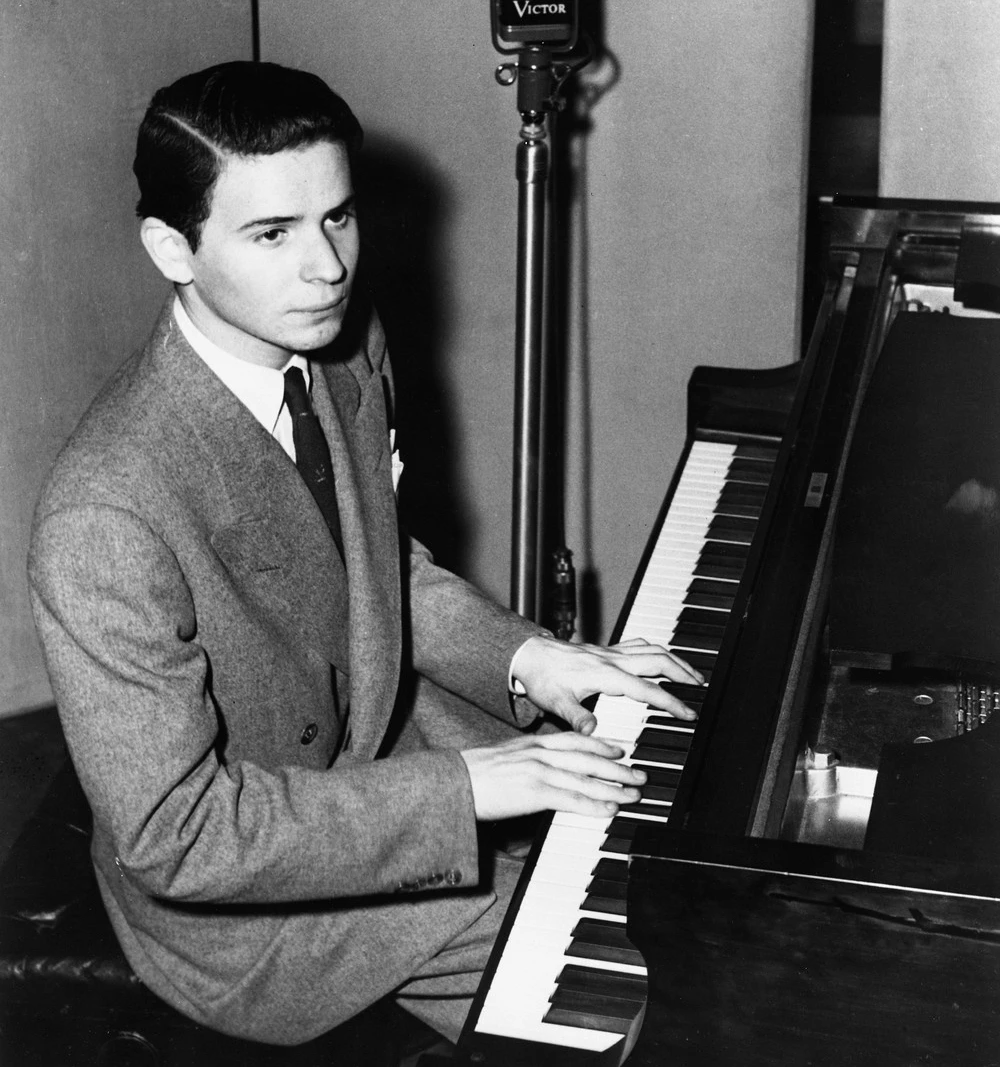
Byron Janis, one of Horowitz's prominent students, often spoke about the importance Horowitz placed on emotional connection to the music. Janis noted that Horowitz wanted his students to find their own voice and to bring a unique personality to their performances.
When Janis became adamant about practising more than two hours, Horowitz advised him to avoid the kind of mechanical repetition that could detract from the spontaneity of a performance. "A piece can be practiced a hundred times," he said, "and then, when it is taken to the stage, can sound simply like practicing the hundred and first time."
Instead of scales and arpeggios, Horowitz demonstrated for Janis technical exercises that he had created for the purpose of developing strong, independent fingers. One such exercise involved playing a diminished-seventh chord, all five notes depressed simultaneously, emphasizing only one finger at a time while the other four played more softly. The exercise was then expanded to include different keys and rhythmic patterns, training the fingers to respond independently and with great precision.
Special attention in the piano technique of Horowitz was paid to the fifth finger of each hand–the melody and bass fingers–which Horowitz believed had to be especially well-trained.
To bolster the endurance of the weak part of the hand (that is, the fourth and fifth fingers), Horowitz assigned Janis a stretching exercise that Rachmaninoff had shown him:

This exercise not only stretched the hand but also made it flexible and accurate over wide spaces. Gradually, the tempo was increased, with more frequent changes in key so that the fingers became accustomed to anticipating spacings with greater accuracy and strength.
Horowitz explained that the bridge of the hand was not to be allowed to collapse under any circumstance.
Notice the huge stretching when going to D♭ and D. I personally can't do that, still I try as an exercise making sure to feel the stretching inside the forearms. You can play with different chords in my opinion.
I wrote here the exercise as described by Byron Janis

Another exercise that gives insight in the piano technique of Horowitz, involved holding up the third finger to create tension in the bridge of the hand, and then playing two notes at a time with the fourth and fifth fingers and second and first on the notes E-G and C-E, with rotating motion chromatically up the scale. As Janis played, Horowitz would lean the entire weight of his body against Janis's back while he performed, demanding resistance, and thus building strength.
I wrote here the exercise as explained by Byron Janis
Horowitz also encouraged Janis to create his own exercises and supplemented all repertoire assignments with groups of Chopin etudes. In the course of demonstrating the piano technique of Horowitz, Horowitz was careful to emphasize the distinction between "technique" and "mechanics."
"Mechanics is the ability to play slow, fast, even chords, arpeggios, scales, octaves, trills–carpenter's tools toward an end but not the end itself," he said. Technique, on the other hand, was "the ability to project your own musical ideas through your instrument. It includes everything that makes possible the translation of musical thought into audible performance–control of pedal dynamics, color, rhythm, the whole bag of tricks."
Knowing the difficulties inherent in cavernous concert halls, he stressed the importance of regulating the pedal according to different acoustics and showed Janis how to focus and project a singing tone. In contrast to playing in a living room, Horowitz said, in a large hall, "you have to gauge everything differently—the levels of sound, the levels of emotion. Underline them! You are playing for the last row!"
Gary Graffman (1953-1955)
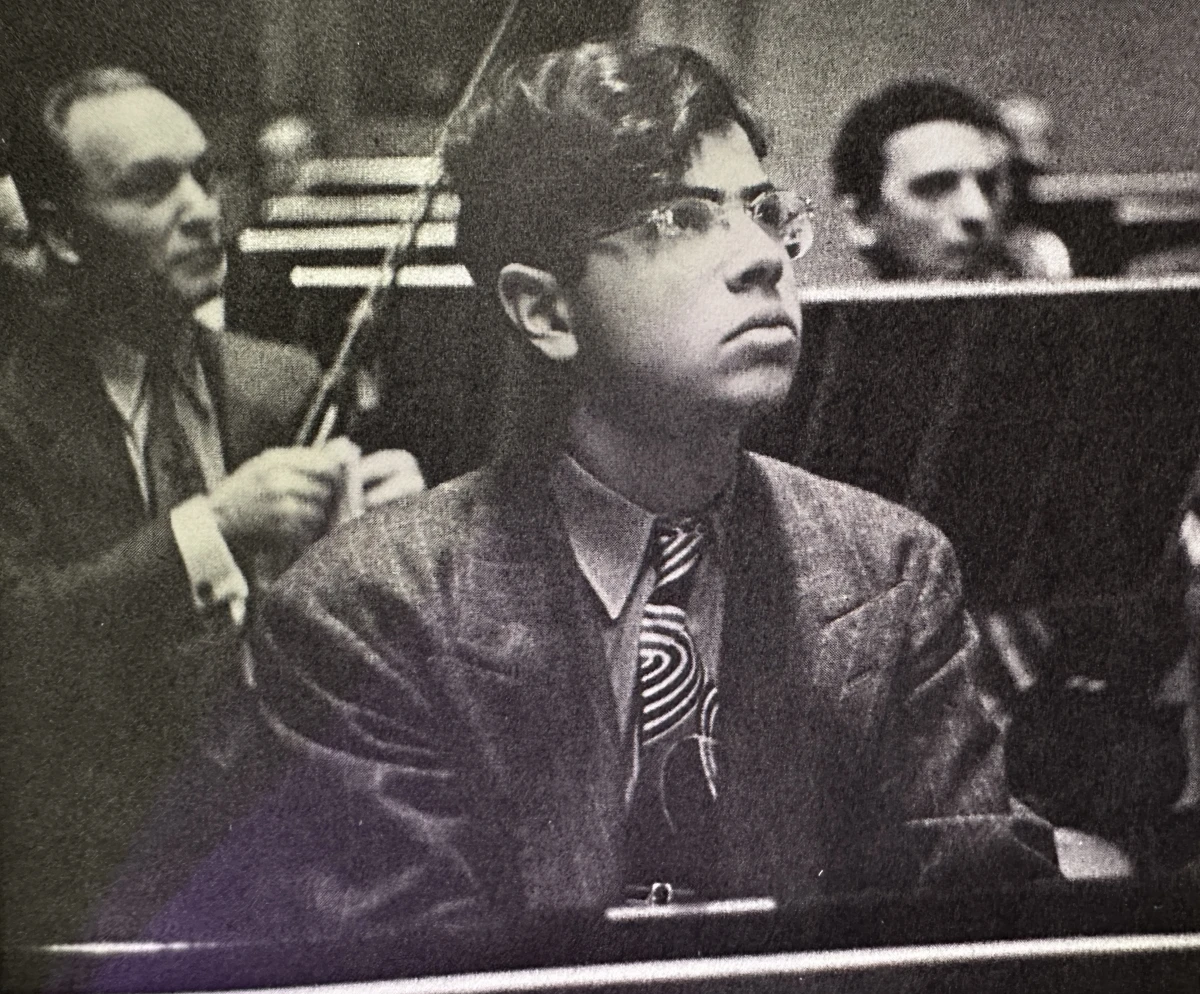
Gary Graffman highlighted Horowitz's focus on color and dynamic range. He shared how Horowitz taught him to think of the piano as an instrument capable of producing a vast array of tonal colors, and to use those colors to make the piano "sing." Horowitz's influence on Graffman's approach to sound remained with him throughout his career.
Alexander Fiorillo (1960-1962)
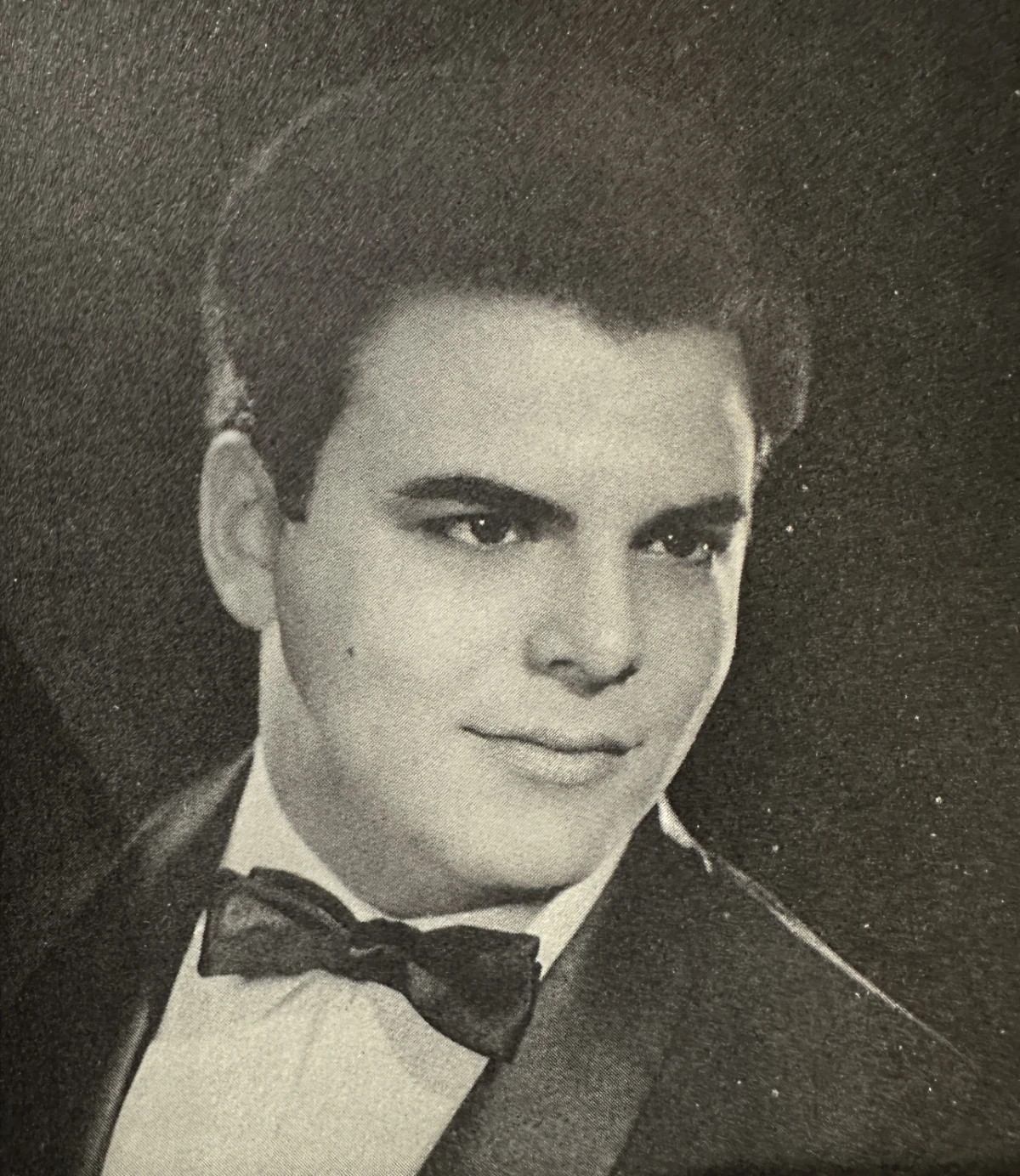
Alexander Fiorillo studied with Horowitz between 1960 and 1962. He recalled that Horowitz worked with him patiently, demonstrating the piano technique of Horowitz; he showed exercises for stretching the hand and for making the fingers more independent.
Horowitz assigned every one of the Chopin Etudes, Opus 10, which he played perfectly. Fiorillo remembered Horowitz's hand as very lean but deceptively strong, with a wonderfully resilient wrist that seemed almost as if there were a spring in it.
After spending the first few months on exercises, Fiorillo and Horowitz concentrated on the Romantic repertoire. Focusing on Fiorillo's Town Hall program, Horowitz pointed out what he considered to be the young man's principal weakness: a lack of continuity and structure in his playing. In the Chopin F Minor Fantasy, he told Fiorillo that the key to the problem was understanding transitions and the overall architecture of the piece.
When Fiorillo went for a lesson on any piece, Horowitz was never consistent in his criticism. Fiorillo recalled, "He would ask me indignantly, 'What are you doing there?' and I would answer, 'Well, you asked me to do it that way last week'—and then he would snap, 'Well, I don't like that.'"
Fiorillo admitted that Horowitz's comments about the Romantic repertory had been illuminating, though he tended to avoid playing Classical pieces for his mentor. He found that Horowitz often overorchestrated Classical works, bringing out inner voices that Fiorillo felt were not intended by the composer. Despite their differences, Fiorillo acknowledged that the piano technique of Horowitz had profoundly influenced his approach to sound and musical interpretation.
Fiorillo had also been curious about Horowitz's fabled transcriptions and had asked if he would ever play them again. Horowitz replied, "I don't remember any of them. I don't play them anymore and don't want to be associated with them." When Fiorillo played his own arrangement of the Paganini-Liszt Sixth Etude in the Horowitz style, Horowitz was furious, saying, "Why are you doing this? It is not in the original!"
Ronald Turini (1957-1963)
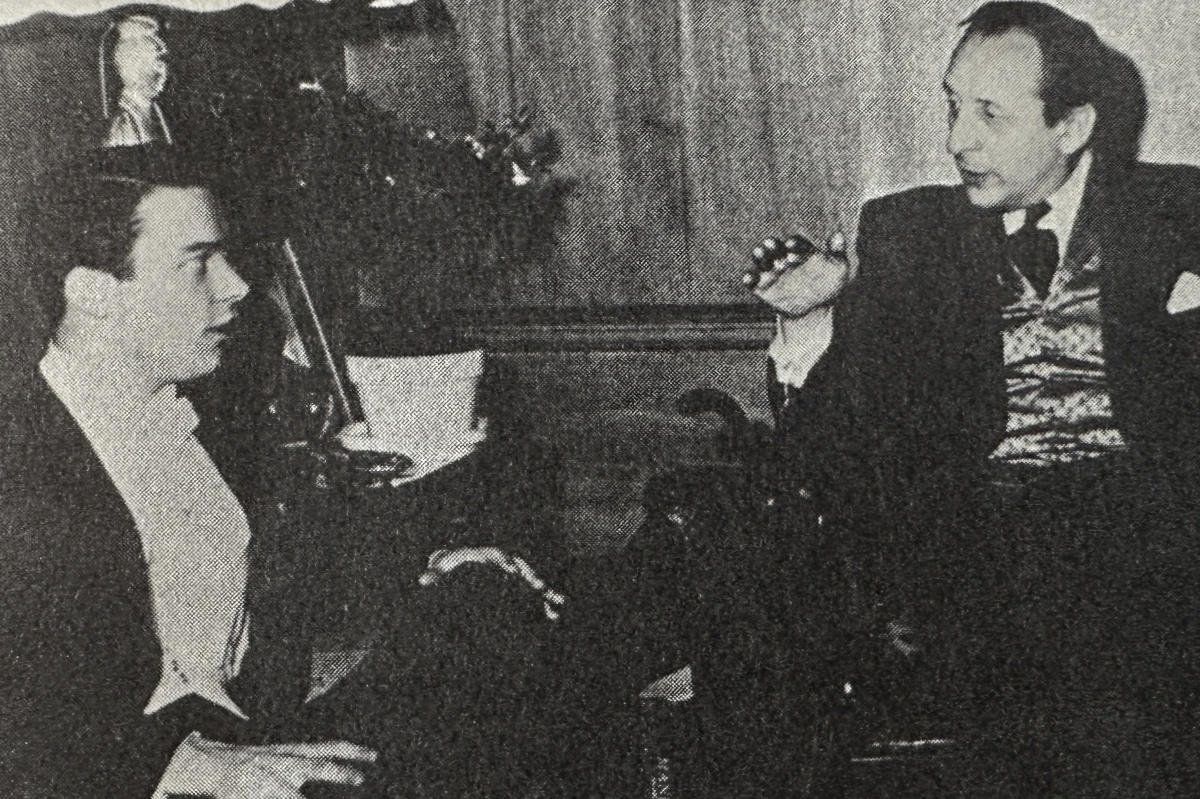
Ronald Turini was one of Horowitz's favorite students, studying with him from 1957 to 1963. Turini discovered that Horowitz employed an intuitive approach, focusing attention on musical style, mood, tone, color, and dynamics rather than mechanics. "Lessons were on a high level—not the kind where you put this finger here and that finger there. The teaching was coaching.
"I played an entire composition or entire movement, and then he would pick out the sections that needed improvement. He was a born demonstrator teacher, and his imagination was his greatest gift. His goal was to have at his disposal as many approaches to one passage as he could imagine, and in performance, he chose any one of them spontaneously. He would spring from the couch and play a passage several ways, each one completely different and each one absolutely brilliant."
The inimitable Horowitz octaves, the orchestral sonority, the delicate pedaling, and the huge dynamic range that characterised the piano technique of Horowitz all remained a mystery. "It was impossible to please him, for instance, with my pedaling of the Chopin B-flat Minor Sonata because he could never tell me exactly what he wanted. Also, I was never able to find out how he produced his famous singing tone."
However, Turini did achieve an expanded dynamic range in his playing thanks to Horowitz's high-spirited demonstrations.
"Usually, I didn't have enough pianissimo or enough fortissimo. I would feel his arm as he played, and there was a tremendous amount of tension, but it was released immediately after he struck a note. When he played loudly, it came all the way from his back and was like an explosion. He used to stand behind me and feel my back when I played a loud chord and say: 'Push from the back! Push from the back!'"
Ivan Davis (1961-1962)
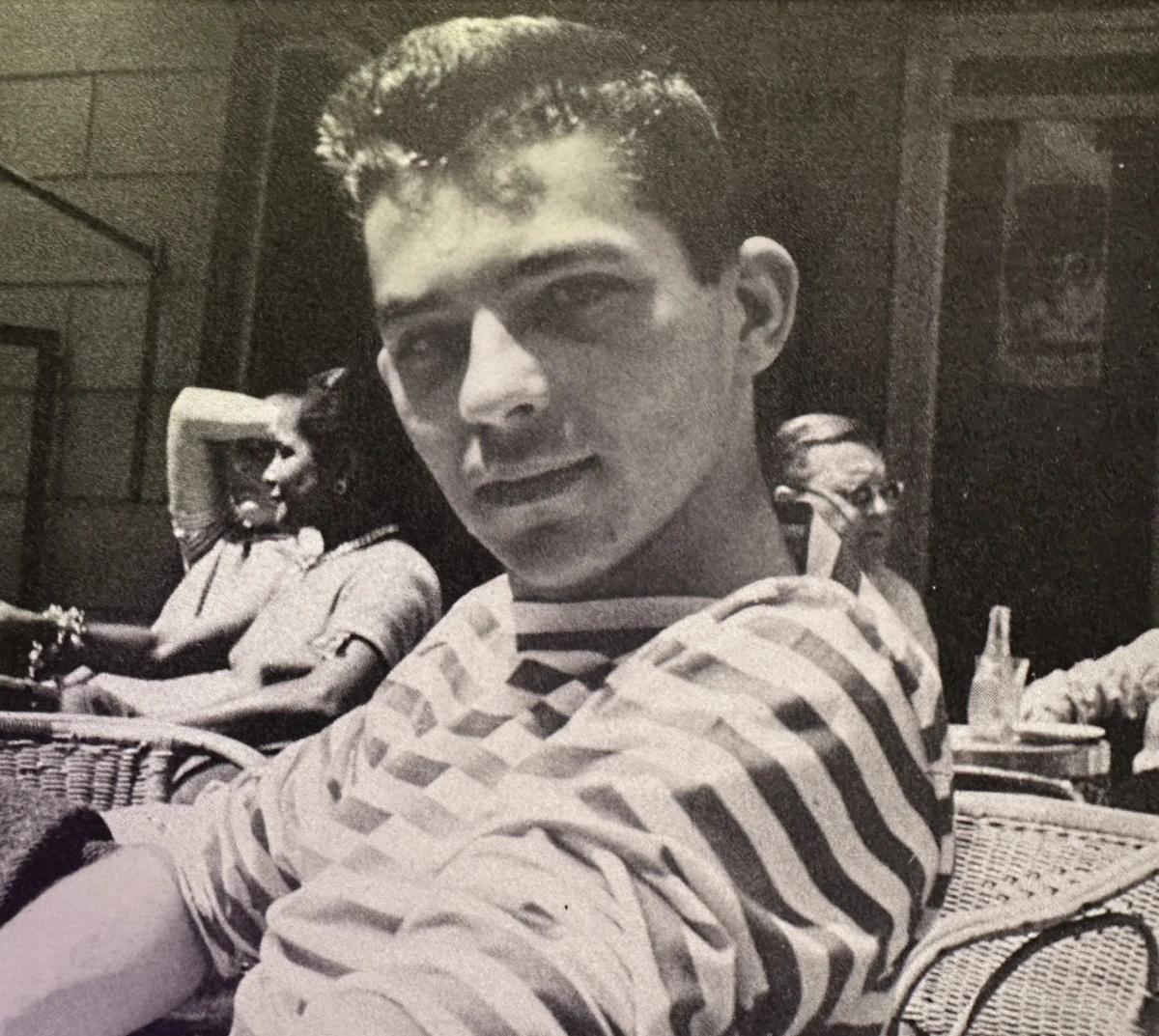
Ivan Davis had won first prize in the 1957 Busoni and 1958 Casella competitions; in 1960, he also won the Franz Liszt Competition and received a surprise phone call from Horowitz the day after the announcement. With sixty concerts planned for his first cross-country tour and a CBS Records contract, Davis intrigued Horowitz because of his successes in European competitions.
A meeting was arranged, and after dinner, Horowitz asked Davis to play. "I understand you play the Sixth Rhapsody of Liszt," Horowitz said. "I hear you have good octaves." Davis was shocked: "Oh my God, I thought to myself. It's like taking coals to Newcastle!" But after he played, the young man was touched by Horowitz's gentle response: "Well, Ivan, I'm not playing much myself, but I could make some suggestions."
For the next year and a half, Davis dropped by Horowitz's home on the average of once a week at 9:45 P.M. "I was never a student per se, because I was already established, but he gave me suggestions about the repertoire I was playing in concerts."
In their evenings together, Davis much preferred Horowitz's demonstrations to any attempted explanations. He later stated that if there was a secret to Horowitz's brilliant technique, he never found it. "One time, when we were playing octaves," said Davis, "Horowitz said to me, 'You know, you've got a good wrist, most people don't. Want me to show you how I play my octaves?' And I thought I was going to faint."
Horowitz enthusiastically told Davis of Turini's progress, and in fact, Turini was the only student ever mentioned: "At one lesson," recalled Davis, "I was playing something for both hands in unison, extremely fast, and was having trouble keeping my hands exactly together. Horowitz said, 'Oh, I have the same trouble. It's easier for me to play double thirds in one hand than to play them with two hands in unison. But if you play slowly first and then get faster and faster, it suddenly comes together.'"
According to Davis, Horowitz once told him that he thought his playing had "the best of the masculine and feminine qualities." He said that some men are incapable of feminine warmth, while a lot of feminine players did not have the aggressive masculine quality.
Negative Effects on his Students
Having to stop concerts and competitions at Horowitz's demand, Horowitz promised to arrange for Fiorillo everything when he was ready. But Horowitz didn't follow through with his promise.
The twenty-three-year-old Fiorillo ended his lessons not only bitter but also ill. He began to have serious problems with his stomach and nerves, and found he had lost confidence in himself. Years later, Fiorillo remained angry and resentful. He eventually became a professor of music at Temple University and a member of a chamber group at that institution, but the performing career he had envisioned for himself never materialized.
"On a scale of one to ten, I would give Horowitz a ten in terms of his ability to inspire," Fiorillo said. "However, in terms of his responsibility and commitment as a teacher, less than five, due to his inconsistency and, at times, lack of interest. To yell out, 'Forte, piano, more crescendo!' while lying on his couch—that, many people could do."
Of the seven students, only Graffman, Turini, and Davis seemed to have escaped any negative effects. Their careers were at least somewhat established before they began to work with Horowitz, and they were less dependent on him, therefore less vulnerable. Graffman, who had the most consistently successful performing career, was willing to discuss Horowitz as a person, warts and all, without bitterness.
Horowitz continued to show lively interest in younger pianists throughout the 1960's, inviting many artists-including Vladimir Ashkenazy, Alexis Weissenberg, André Watts, John Browning, Murray Perahia-for evenings of music making and talk.
Murray Perahia
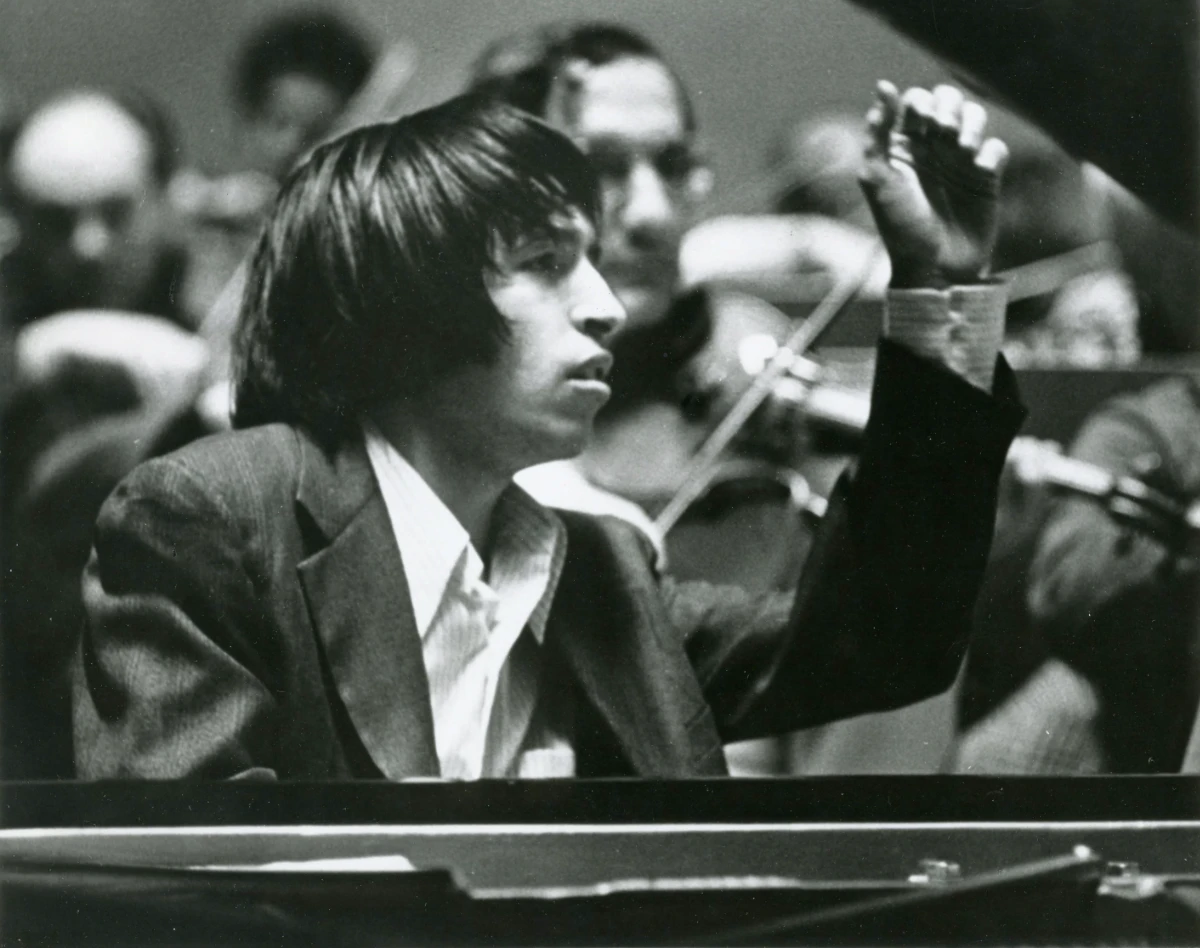
Murray Perahia, already in full career, started occasional lessons with Horowitz, working on works like Liszt's Spanish Rhapsody. He recalled Horowitz's emphasis on the natural movement of the body. Horowitz taught him to keep his wrists relaxed and to use arm weight rather than forcing the fingers. This approach of the piano technique of Horowitz was aimed at achieving a more natural, flowing sound that could project across large concert halls.
Students Brought to Horowitz by David Dubal
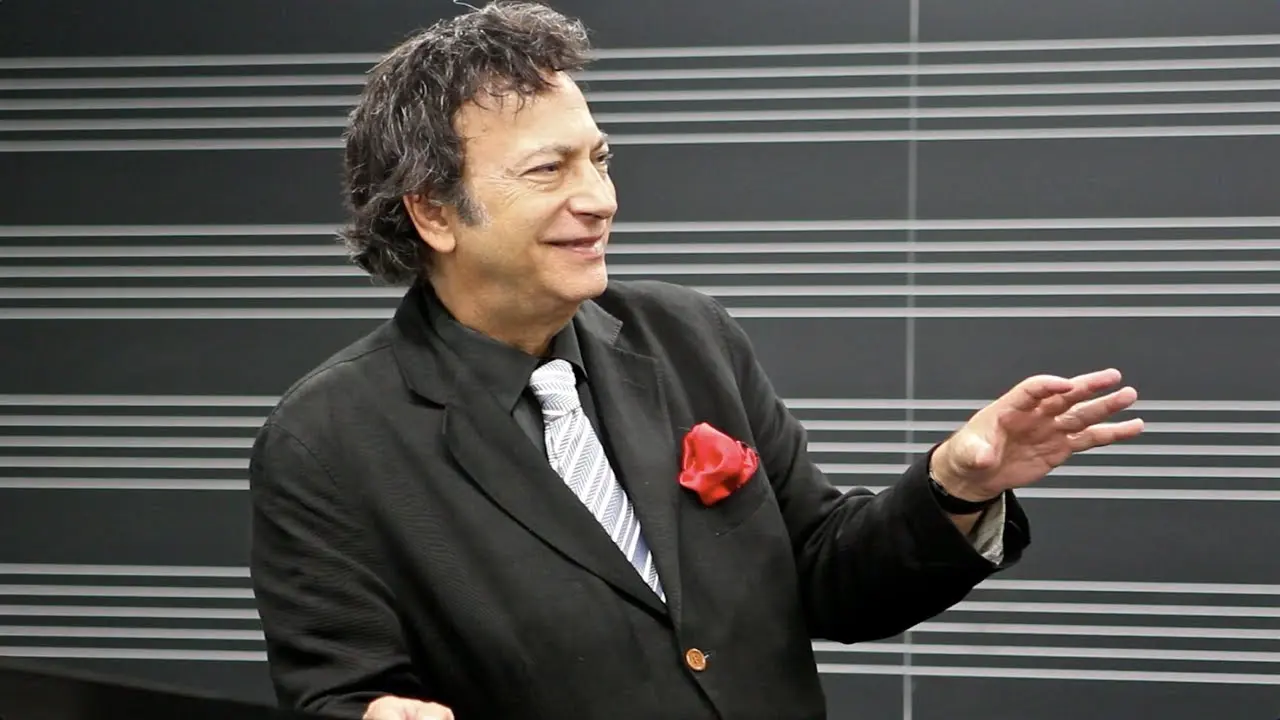
During the 1980's, David Dubal was at close terms with Horowitz, and in 1991, Dubal wrote the book with his recollections, "Evenings with Horowitz - A Personal Portrait". A book full of interesting conversations between him and Horowitz.
In this article, this is one of the books I used as a source for information.
During this period, Dubal introduced several students from the New York Juilliard to play for Horowitz. For a complete account, I recommend reading the book. Students mentioned in the book who played one or more times for Horowitz include: Keith Albright, Eduardus Halim, Dan-wen Wei, and Mark Salman.
A Closer Look at Horowitz's Technical Wizardry
Horowitz's Advice on Practising Chopin's Etude Op. 10 No. 1 in C Major
Horowitz openly admitted that he found Chopin's Etude Op. 10 No. 1 in C Major particularly challenging, famously stating, "For me, the most difficult of all is the C Major, the first one, Op. 10, No. 1. I cannot do that." Despite this admission, he used the etude as a technical exercise to maintain his own finger strength and independence. He advised practising the etude very slowly, with each note articulated clearly and firmly, to build the endurance and precision needed for its demanding passages.
Emphasis on Tone and Color
Horowitz never used the pedal instinctively; instead, he was deliberate with its use as part of his interpretation. He often demonstrated how the piano could still convey emotion even without the use of the pedal. As Dubal noted on the piano technique of Horowitz, "He never used the pedal where the fingers alone should be doing the work. He played for me pedal-less, demonstrating that the piano could sing without it."
In his teaching, Horowitz placed a significant emphasis on tone production and color. He wanted his students to approach the piano as if it were a living, breathing entity capable of singing. He would often tell them to think orchestrally, imagining different instruments for each voice in a piece. This orchestral approach helped his students develop a more nuanced and expressive playing style.
Horowitz's use of pedaling was highly unorthodox. According to Schonberg, "Horowitz had no hesitation blending several harmonies at the same time. It was a beautiful effect... He used the left pedal almost all the time, even when he played forte. It was part of his distinctive sound, the soft textures of the left pedal always mixing with the right." Something else I hear in his chords, with the sustain pedal down: most of the time he leaves the keys very fast, pushing himself away from the piano, and you get this lightning effect, more resonance. I wrote about that, and about the other ending I use too, in how to end a note on piano.
Encouraging Individuality
One of the hallmarks of Horowitz's teaching was his encouragement of individuality. He often used phrases like "Maybe you try it this way" to suggest possibilities without imposing his own interpretation rigidly. He discouraged imitation and encouraged his students to develop their own interpretations of the music. He believed that "no two pianists are alike," and that individual expression was the key to a compelling performance.
Harold C. Schonberg also noted that Horowitz believed individuality was key to artistic success. He encouraged his students to explore their own musical ideas, often pushing them to take risks and make bold interpretive choices.
Octaves, Double Notes, and Ninths Technique
When it comes to the piano technique of Horowitz, Horowitz's octaves were legendary and a significant part of his virtuosic arsenal. Harold C. Schonberg noted that Horowitz's technique involved utilizing both the thumb and the little finger to play octaves with incredible power and speed. His ability to sustain octave passages with both strength and musicality made his performances of works like Tchaikovsky's Piano Concerto No. 1 electrifying.
Horowitz also employed a combination of wrist, arm, and forearm movements to facilitate rapid octaves. The movements allowed him to maintain the open hand position necessary for octave playing while minimizing fatigue. This approach, combined with his understanding of sound production, enabled him to produce powerful and consistent octave passages that would have been fatiguing for most pianists. If your own octave passages tire you long before the end of the page, I wrote out where I hold the stretch, and how I divide a long octave line.
When it came to ninths, Horowitz mentioned in an interview that the large stretches required for playing ninths presented a unique challenge, particularly in the Scriabin Etude Op. 65/1. He stated in a conversation with Dubal, "My hand is good for chords, good for octaves, of course, but not the Scriabin Etude in ninths. My hand falls off, believe me."
What I learned about the Piano Technique of Horowitz?
What I've noticed from my research is that the main principles of piano technique instilled in Horowitz as a student are the same principles he passed on to his pupils.
One important observation is that Horowitz viewed 'technique' as a means of musical expression. He first focused on the 'mechanics' of piano technique, which served as the foundation for a more advanced technique involving flexible arm movements and relaxed wrists. The piano technique of Horowitz is a complete technique; in his view, technique encompasses all the tools necessary to fully express music.
The Technical Drills
As a young pianist studying with Puchalsky, Horowitz underwent a strict regimen of technical-drills, such as Clementi exercises and Czerny etudes. As a teacher, he devised his own technical exercises to help students overcome specific difficulties. Even though his pupils were already accomplished virtuosos, there was always room for improvement through targeted exercises.
Horowitz practised difficult passages very slowly, with strong fingers, to achieve the best articulation and control. As a youth, under Blumenfeld's tutelage, he developed exercises for passages using a semi-staccato technique—striking keys with forceful pull-back motions to improve articulation and finger independence. Martha Argerich notes a similar approach from her teacher, Vincenzo Scaramuzza, called "The Praying Mantis."
In my method, Super Fingers, I teach a similar technique I learned from Avi Schönfeld. I call it the Umbrella Technique, where the hand is opened, and each note is played slowly yet struck quickly, producing a forte. The difference only that I find it more effective to play 'legato.' Later, 'staccato' and 'pizzicato' exercises are added. Pizzicato is done in the "Praying Mantis " style—perhaps I should adopt that name!
Watch here this technique in action!
A Big Sound and Singing Tone
The flat-finger technique, taught by Blumenfeld, was another key part of Horowitz's approach, which Horowitz proudly claimed to come from the Russian piano tradition of Anton Rubinstein. Using flat fingers increases the fleshy surface on the keys, enhancing the expressive tone. In Horowitz's playing, we can observe both styles: flat fingers for chords and when needed, curved fingers for articulate passages.
Although Horowitz didn't explicitly teach the flat-finger technique, he constantly emphasized the importance of a singing tone and great dynamic range as a result of strong fingers, combined with flexible arm and wrist movements. Special attention was given to the fifth finger (pinky) of each hand, as a strong left-hand base and a solid right-hand melody finger were central to his sound ideal.
"Usually, I didn't have enough pianissimo or enough fortissimo. I would feel his arm as he played, and there was a tremendous amount of tension, but it was released immediately after he struck a note," Turini explained. Perahia added, "Horowitz taught him to keep his wrists relaxed and to use arm weight rather than forcing the fingers." Davis recalled something similar: he could never fully decipher how Horowitz produced his famous singing tone.
Is the piano technique of Horowitz the flat-fingers technique, the curved-fingers technique–which one is it? Well, the answer is simple, Horowitz used both and often so at the same time. He did exactly what the music needed at the moment. So don't get stuck on one idea here...
Curved or Flat Fingers? Read Piano Fantasy Minute #005 – Choosing the Right Shape for the Right Sound at the Piano for better understanding the why.
Watch how Horowitz combines both flat-fingers technique, curved-fingers technique in this fantastic piece Introduction and Rondo Opus 16 by Chopin.
This is What I have for You...
If you want to improve your piano technique, I have just the right solution for you: in my course Super Fingers Essential, both finger technique and arm techniques are taught in a systematic way. First, you'll learn the most effective methods for developing finger independence, speed, and power. Then, we'll cover essential arm techniques. Finally, we'll combine the two, teaching how the arm supports the fingers for maximum efficiency and musicality.